
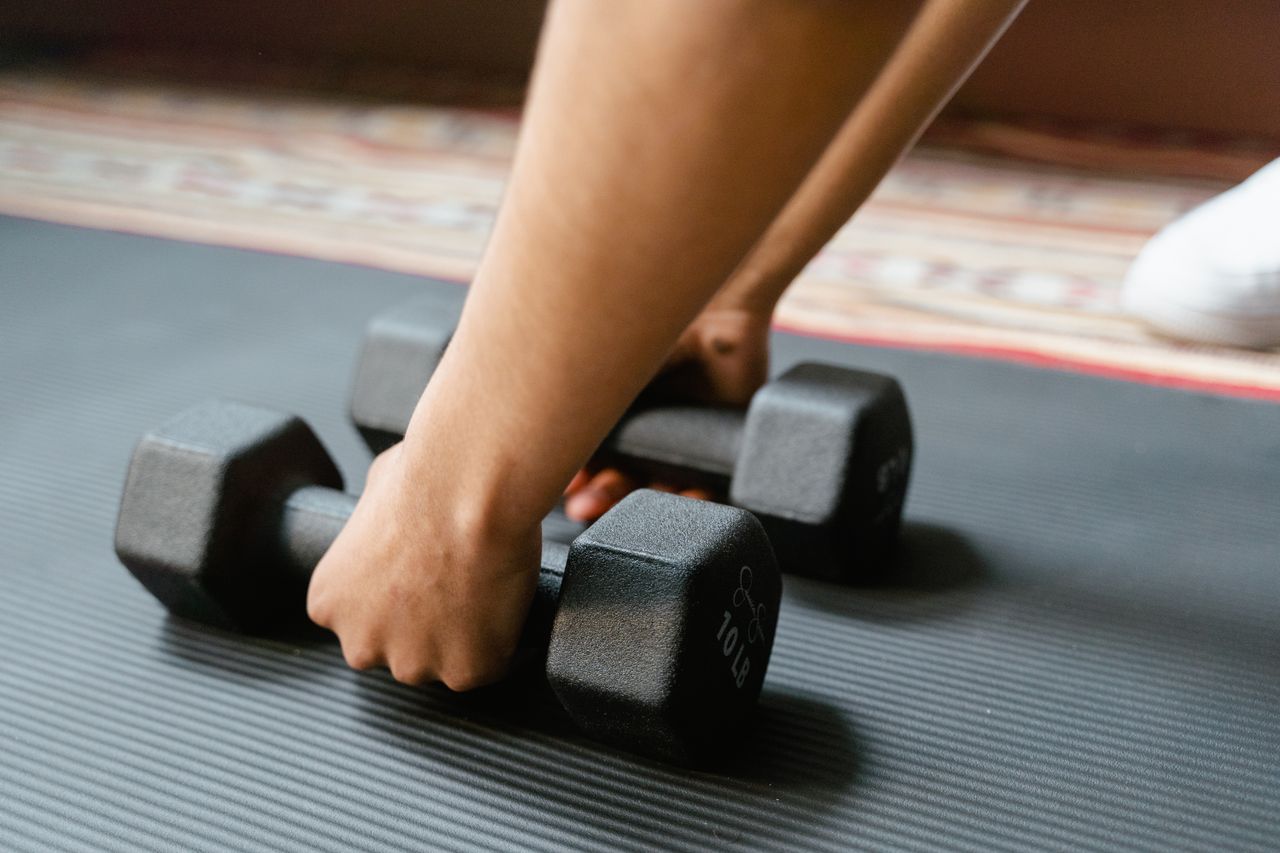
Strength training is an important component of healthy aging, helping older adults maintain physical function and support greater independence. Contrary to common misconceptions, strength exercises are not limited to younger individuals or athletes. When performed safely and consistently, senior strength training can help seniors improve muscle function, enhance mobility, and build confidence in their daily activities. A gradual and thoughtful approach allows older adults to experience the benefits of resistance exercise while prioritizing safety.
Understanding Senior Strength Training
Senior strength training involves exercises designed to engage major muscle groups using body weight, resistance bands, light weights, or other appropriate forms of resistance. The primary goal is to support everyday movement and maintain functional ability.
Programs can be adapted to accommodate different fitness levels and individual needs.
Why Strength Matters With Age
As people grow older, maintaining muscle strength becomes increasingly important for completing daily tasks. Activities such as standing from a chair, carrying groceries, and climbing stairs all rely on adequate muscular support.
Regular strength training can help seniors continue performing these activities with greater ease.
Building Physical Confidence
Confidence often grows as individuals recognize improvements in their physical abilities. Feeling stronger can encourage seniors to remain active and participate more fully in everyday life.
A sense of capability may also support greater independence and overall well-being.
Starting With Appropriate Resistance
Beginning with manageable levels of resistance allows seniors to learn proper techniques and build a solid foundation. Body-weight exercises or light resistance tools can provide effective starting points.
Progressing gradually helps reduce unnecessary strain and promotes safer participation.
Focusing on Proper Technique
Correct movement patterns are essential for effective and safe exercise. Performing exercises with controlled motions and appropriate posture supports better outcomes.
Taking time to understand proper form can contribute to a more positive training experience.
Incorporating Rest and Recovery
Rest is an important part of any strength training routine. Allowing muscles adequate time to recover supports adaptation and ongoing participation.
Balancing activity with recovery can help maintain consistency over the long term.
Combining Strength With Other Fitness Elements
Strength training works best when included as part of a balanced fitness routine. Flexibility exercises, balance activities, and cardiovascular movement all contribute to overall physical health.
A well-rounded approach supports multiple aspects of healthy aging.
Creating a Sustainable Routine
Consistency is often more valuable than intensity. Scheduling regular strength sessions that fit comfortably into daily life can encourage long-term adherence.
Simple routines performed regularly can lead to meaningful improvements over time.
Prioritizing Safety
Safety should remain a priority throughout the training process. Exercising at an appropriate pace, using suitable resistance levels, and listening to the body’s signals can help reduce the likelihood of discomfort.
Adjusting exercises to individual abilities helps ensure that training remains accessible and effective.
Supporting Independence Through Strength
Maintaining strength can support greater self-sufficiency and confidence in everyday activities. Improved physical capability often contributes to a more active and fulfilling lifestyle.
Strength training can therefore become an important part of promoting long-term well-being.
Conclusion
Senior strength training offers older adults an opportunity to build confidence and physical power in a safe and practical way. By focusing on proper technique, gradual progression, and consistent participation, seniors can support their mobility, independence, and overall quality of life. Incorporating strength exercises into a balanced fitness routine remains a valuable strategy for healthy aging.